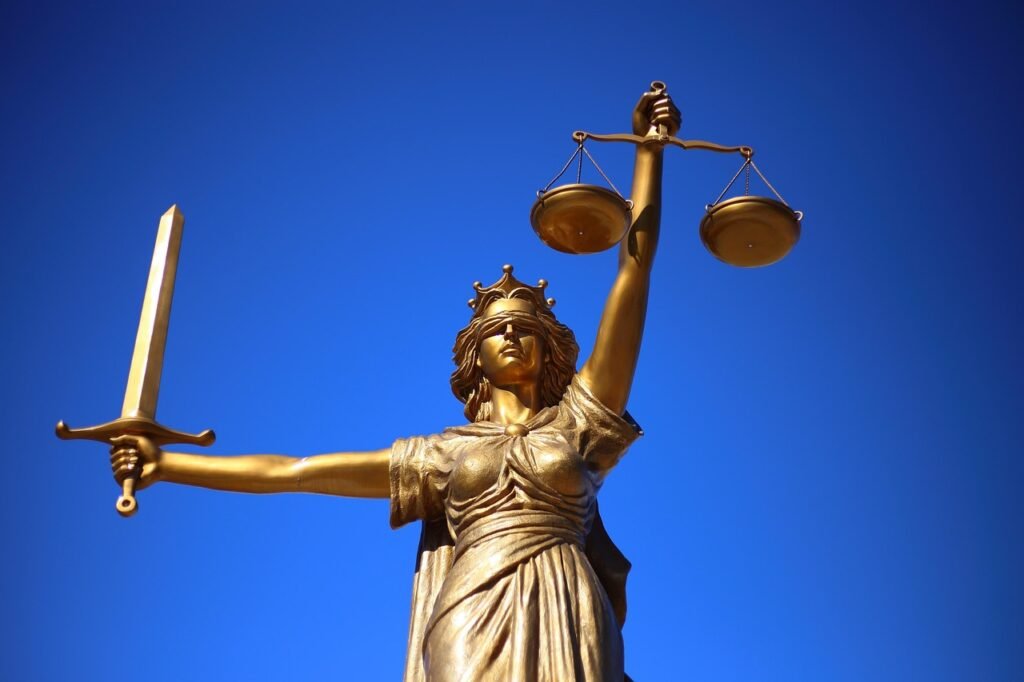
Copyright law grants creators exclusive rights over their original works, but navigating these rights can feel like traversing a legal minefield. Fortunately, copyright licensing provides a mechanism for creators to share their work legally while maintaining control. Understanding the nuances of copyright licensing is crucial for both creators looking to monetize their work and users seeking to utilize copyrighted material. This guide will break down the key aspects of copyright licensing, providing practical examples and actionable takeaways to help you navigate this important area of intellectual property law.
What is Copyright Licensing?
Defining Copyright Licensing
Copyright licensing is the legal process by which a copyright holder grants permission to another party to use their copyrighted work in a specific way. This permission is granted through a legal agreement, the license, which outlines the terms and conditions of the authorized use. Without a license, using copyrighted material generally constitutes infringement, which can lead to legal repercussions.
Why Copyright Licensing Matters
- For Creators: Licensing allows creators to generate revenue from their work without relinquishing ownership. It provides a way to control how their work is used, ensuring it aligns with their values and brand.
- For Users: Licensing provides a legal framework for using copyrighted material, avoiding potential legal issues and fostering innovation by allowing access to creative works.
- For the Public Good: Licensing balances the rights of creators with the public interest, promoting creativity and innovation by providing incentives for creators while allowing access to knowledge and culture.
Examples of Copyright Licensing in Action
- Music: A musician licenses their song to a film production company for use in a movie soundtrack.
- Software: A software developer licenses their software to end-users under specific terms and conditions, outlining permitted uses and restrictions.
- Photography: A photographer licenses their image to a magazine for publication in an article.
- Writing: An author licenses the right to translate their novel into another language.
Types of Copyright Licenses
Exclusive vs. Non-Exclusive Licenses
- Exclusive License: Grants only one licensee the right to use the copyrighted work in a specific way, preventing the copyright holder and any other parties from doing so. This is often used when the creator is giving someone the full ability to exploit the copyright in a specific market. For example, a publisher might receive an exclusive license to publish a book in a specific country.
- Non-Exclusive License: Grants the licensee the right to use the copyrighted work, but the copyright holder retains the right to grant similar licenses to other parties. This is more common and allows the creator to diversify income streams. For example, a photographer might grant multiple websites non-exclusive licenses to use the same photograph.
Types of Licenses Based on Usage
- Public Performance License: Allows the licensee to publicly perform a copyrighted work, such as a song or play. These are often managed by Performing Rights Organizations (PROs) like ASCAP, BMI, and SESAC.
- Synchronization License: Grants the right to synchronize a copyrighted work, typically a song, with visual media, such as a film or video game.
- Mechanical License: Allows the licensee to reproduce and distribute a copyrighted musical composition, such as on a CD or vinyl record.
- Creative Commons Licenses: A range of standardized licenses that allow creators to grant specific rights to the public, such as the right to share or remix their work, while retaining copyright. Examples include CC BY (Attribution), CC BY-SA (Attribution-ShareAlike), and CC BY-NC (Attribution-NonCommercial).
Understanding “All Rights Reserved”
The phrase “All Rights Reserved” indicates that the copyright holder retains all rights granted by copyright law and that no use of the work is permitted without express permission. It’s a declaration that the work is fully protected.
Key Elements of a Copyright License Agreement
Parties Involved
Clearly identify the licensor (copyright holder) and the licensee (the party receiving the license). Use legal names and addresses to ensure clarity.
Scope of the License
Define the specific rights being granted. This includes:
- Territory: Where the license is valid (e.g., worldwide, United States only).
- Duration: How long the license is valid (e.g., one year, perpetual).
- Specific Use: The permitted uses of the copyrighted work (e.g., publication in a magazine, use in a film).
- Exclusivity: Whether the license is exclusive or non-exclusive.
Payment and Royalties
Specify the payment terms, including:
- License Fee: A one-time fee paid for the license.
- Royalties: A percentage of revenue generated from the use of the copyrighted work.
- Reporting Requirements: How the licensee will report sales or usage data to the licensor.
- Payment Schedule: When payments are due.
Termination Clause
Outline the circumstances under which the license can be terminated by either party, such as breach of contract or insolvency. Include notice requirements and any penalties for termination.
Warranties and Indemnification
The licensor typically warrants that they own the copyright to the work and have the right to grant the license. The licensee may be required to indemnify the licensor against any claims arising from their use of the copyrighted work.
Governing Law
Specify the jurisdiction whose laws will govern the interpretation and enforcement of the agreement.
Negotiating a Copyright License
Research and Due Diligence
- Understand the Value of the Work: Research similar licenses and market rates to determine a fair price.
- Know Your Rights: Understand your rights as a creator or user of copyrighted material.
- Check the Copyright Status: Verify that the work is indeed protected by copyright and that the licensor has the right to grant the license.
Key Negotiation Points
- Scope of Use: Ensure that the permitted uses align with your needs or intentions.
- Payment Terms: Negotiate a fair price and royalty structure.
- Exclusivity: Consider whether an exclusive or non-exclusive license is appropriate.
- Termination Clause: Ensure that the termination clause is fair and reasonable.
Practical Tips for Negotiation
- Be Prepared to Walk Away: Know your bottom line and be willing to walk away if the terms are not acceptable.
- Document Everything: Keep a record of all communication and negotiations.
- Seek Legal Advice: Consult with an attorney specializing in copyright law to ensure that the license agreement protects your interests. A lawyer can help identify potential pitfalls and negotiate favorable terms.
Copyright Infringement and Licensing
What Constitutes Copyright Infringement?
Copyright infringement occurs when someone uses a copyrighted work without permission from the copyright holder. This can include:
- Reproducing the work
- Distributing the work
- Publicly performing the work
- Creating derivative works based on the work
The Role of Licensing in Avoiding Infringement
Obtaining a copyright license is the primary way to legally use copyrighted material. By securing a license, users can avoid the risk of copyright infringement and potential legal consequences.
What to Do if You Suspect Infringement
- Document the Infringement: Gather evidence of the infringement, such as screenshots, URLs, and dates.
- Send a Cease and Desist Letter: Notify the infringer that they are violating your copyright and demand that they stop.
- Consider Legal Action: If the infringement continues, consider pursuing legal action to enforce your copyright.
- DMCA Takedown Notice: If the infringing content is hosted online, send a Digital Millennium Copyright Act (DMCA) takedown notice to the service provider.
Conclusion
Copyright licensing is a powerful tool for both creators and users, allowing for the legal use and monetization of creative works. By understanding the different types of licenses, key elements of license agreements, and negotiation strategies, you can effectively navigate the world of copyright law and protect your interests. Always remember to conduct thorough research, seek legal advice when necessary, and prioritize obtaining the appropriate licenses before using copyrighted material. Properly managing copyright licenses not only avoids legal troubles but also fosters a healthy ecosystem that encourages creativity and innovation.