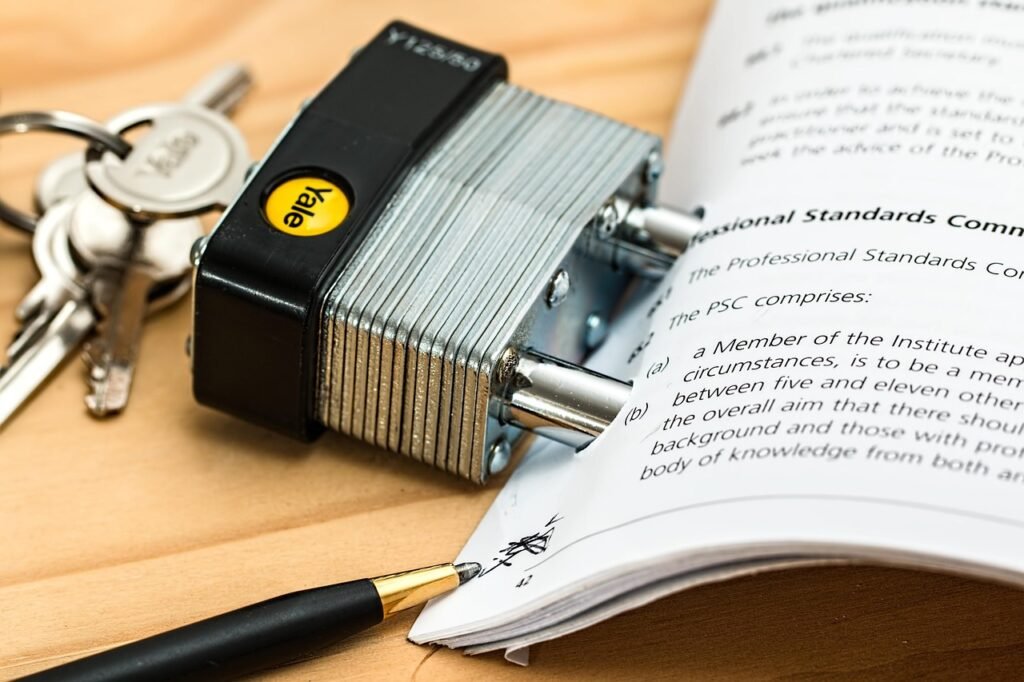
Legal battles can be daunting, especially when facing mountains of paperwork. But what if you could streamline the document creation process, save time, and reduce legal costs? Legal document generators are emerging as a game-changer for individuals and businesses alike, offering accessible and efficient solutions for crafting essential legal documents. This article explores the world of legal document generators, uncovering their benefits, features, and potential impact on the legal landscape.
Understanding Legal Document Generators
Legal document generators are software tools or platforms that help users create legal documents by answering a series of questions. Based on the responses, the generator automatically populates a template with the specific information, producing a customized legal document. They aim to simplify the process of creating legally sound documents without requiring extensive legal expertise for basic needs.
How They Work
- Template Library: Generators provide a library of pre-designed legal document templates covering various legal areas.
- Questionnaire-Based Input: Users complete an interactive questionnaire, providing the necessary details to customize the document.
- Automated Document Assembly: The software utilizes the provided information to automatically fill in the template, creating a tailored legal document.
- Review and Editing: The generated document can be reviewed and edited by the user, allowing for fine-tuning and personalization.
Common Types of Documents Generated
- Wills and Trusts: Creating basic wills, living wills, and trust documents.
- Rental Agreements: Generating lease agreements and rental contracts for landlords and tenants.
- Business Formation Documents: Assisting with the formation of LLCs, corporations, and other business entities.
- Contracts: Drafting sales agreements, service agreements, and non-disclosure agreements (NDAs).
- Power of Attorney: Creating documents that grant someone the authority to act on your behalf.
Benefits of Using Legal Document Generators
Legal document generators offer numerous advantages over traditional methods of creating legal documents. From cost savings to increased efficiency, these tools are transforming how individuals and businesses handle their legal paperwork.
Cost Savings
- Reduced Legal Fees: Generators eliminate the need to hire a lawyer for simple, routine documents. This can save hundreds or even thousands of dollars in legal fees.
- Affordable Subscriptions: Many generators offer subscription-based pricing models, making them accessible to individuals and small businesses with limited budgets.
- No Hourly Billing: Unlike lawyers who bill by the hour, document generators offer predictable and transparent pricing.
Time Efficiency
- Rapid Document Creation: Generating a document can take minutes, compared to hours or days when working with a lawyer.
- 24/7 Availability: Generators are available around the clock, allowing users to create documents at their convenience.
- Instant Access to Templates: Users can instantly access a wide range of legal document templates without scheduling consultations or waiting for drafts.
Accessibility and Convenience
- User-Friendly Interfaces: Most generators feature intuitive interfaces that are easy to navigate, even for users with no legal background.
- Remote Access: Documents can be created and accessed from anywhere with an internet connection.
- Step-by-Step Guidance: Generators provide step-by-step instructions and explanations, ensuring users understand the information they are providing.
Reduced Errors
- Standardized Templates: Utilizing pre-approved templates helps ensure all essential elements are included, reducing the risk of errors or omissions.
- Automated Data Entry: The automated filling of templates reduces the risk of manual data entry errors.
- Built-in Legal Compliance: Many generators are designed to comply with relevant state and federal laws, ensuring the generated documents are legally sound.
Choosing the Right Legal Document Generator
Selecting the appropriate legal document generator is crucial to ensure that your needs are met effectively. Here are key factors to consider when evaluating different options:
Document Library and Scope
- Variety of Templates: Does the generator offer a wide range of document templates relevant to your specific legal needs? Consider wills, contracts, real estate, and business formation documents.
- State-Specific Compliance: Ensure the generator offers templates that are compliant with the laws of your specific state or jurisdiction.
- Customization Options: How customizable are the templates? Can you add specific clauses or modify the language to meet your unique requirements?
User Experience and Support
- Ease of Use: Is the interface intuitive and easy to navigate? Look for generators with clear instructions and helpful tutorials.
- Customer Support: Does the generator offer customer support in case you need assistance? Options might include email, phone, or live chat support.
- User Reviews and Ratings: Check online reviews and ratings to get an idea of other users’ experiences with the generator.
Security and Privacy
- Data Encryption: Ensure the generator uses strong data encryption to protect your personal and sensitive information.
- Privacy Policy: Review the generator’s privacy policy to understand how your data is collected, used, and stored.
- Secure Payment Processing: If the generator requires payment, make sure it uses a secure payment gateway to protect your financial information.
Pricing and Plans
- Subscription vs. One-Time Purchase: Some generators offer subscription-based pricing, while others allow you to purchase individual documents. Consider which pricing model best suits your needs.
- Free Trial or Demo: Look for generators that offer a free trial or demo so you can test the platform before committing to a subscription.
- Hidden Fees: Be aware of any potential hidden fees or extra charges, such as for additional documents or support.
- Example: Consider a small business owner needing a non-disclosure agreement (NDA). They could compare multiple legal document generators, assessing their NDA template options, user reviews, and pricing plans before making a selection. They should also verify that the NDA templates are up-to-date with relevant state laws.
Limitations and Risks
While legal document generators offer significant advantages, it’s essential to be aware of their limitations and potential risks:
Not a Substitute for Legal Advice
- Complexity of Legal Matters: Legal document generators are best suited for simple, straightforward legal matters. Complex legal situations require the expertise of a qualified attorney.
- State-Specific Laws: Legal laws vary by state, and a generic template might not adequately address specific state requirements. Always ensure the templates are compliant with the relevant jurisdiction.
- Customization Limitations: While generators offer customization options, they might not be able to handle highly specific or nuanced legal issues.
Risk of Errors and Omissions
- User Error: The accuracy of the generated document depends on the user providing correct and complete information. Errors or omissions can lead to legal complications.
- Outdated Templates: If the generator’s templates are not regularly updated, they may not reflect the latest legal changes, leading to invalid or unenforceable documents.
- Misinterpretation of Questions: Users may misinterpret the questions or instructions in the questionnaire, resulting in inaccurate or inappropriate document content.
Security and Privacy Concerns
- Data Breaches: As with any online service, there is a risk of data breaches that could expose your personal and sensitive information.
- Unsecure Platforms: Some generators may lack adequate security measures, making them vulnerable to hacking and data theft.
- Misuse of Information: Ensure the generator has a clear privacy policy that outlines how your data is collected, used, and protected.
- Example: A homeowner using a document generator to create a lease agreement might inadvertently omit a required disclosure under their state’s landlord-tenant laws. This omission could lead to legal disputes with their tenant in the future. It’s always recommended to have an attorney review the document if there is any doubt.
Best Practices for Using Legal Document Generators
To maximize the benefits of legal document generators while mitigating risks, follow these best practices:
Research and Select a Reputable Generator
- Review User Testimonials: Read reviews and testimonials from other users to gauge the generator’s reliability and effectiveness.
- Check Legal Credentials: Verify that the generator’s templates are created by legal professionals or reviewed by attorneys.
- Assess Security Measures: Ensure the generator uses robust security measures to protect your data and privacy.
Understand the Document Requirements
- Research Applicable Laws: Familiarize yourself with the relevant state and federal laws that apply to the document you are creating.
- Identify Key Clauses: Understand the essential clauses and provisions that should be included in the document.
- Consult Legal Resources: If you are unsure about any aspect of the document, consult online legal resources or seek guidance from an attorney.
Review and Customize the Generated Document
- Proofread Carefully: Thoroughly proofread the generated document to catch any errors or omissions.
- Customize as Needed: Modify the document to reflect your specific needs and circumstances.
- Seek Legal Review: If you have any doubts or concerns, have an attorney review the document before signing it.
Keep Accurate Records
- Store Documents Securely: Store the generated documents in a secure location, both electronically and physically.
- Track Revisions: Keep track of any revisions or modifications made to the document.
- Consult Legal Professionals: When in doubt, always seek professional legal advice to ensure the document meets your specific requirements and complies with applicable laws.
Conclusion
Legal document generators can be powerful tools for simplifying legal processes and saving time and money. They provide accessible solutions for creating a variety of essential legal documents, particularly for routine needs. However, it’s crucial to understand their limitations and use them responsibly. By choosing a reputable generator, understanding document requirements, and seeking legal review when necessary, users can harness the benefits of these tools while mitigating the risks. Remember, while document generators can be incredibly helpful, they are not a substitute for personalized legal advice from a qualified attorney, especially in complex or high-stakes situations.