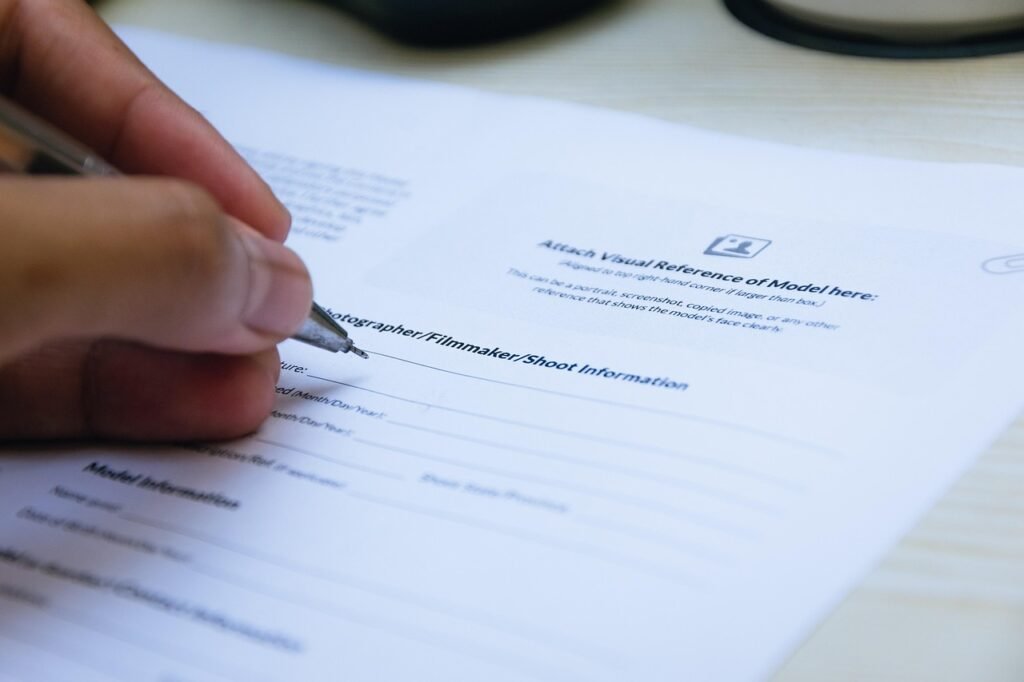
Lease agreements: they’re the bedrock of the rental market, the contract that governs the relationship between landlord and tenant. But navigating the intricacies of a lease can feel like traversing a legal minefield. Understanding your rights and responsibilities as either a landlord or a tenant is crucial to ensuring a smooth and conflict-free tenancy. This comprehensive guide will demystify the lease agreement, providing you with the knowledge you need to confidently enter into this legally binding contract.
What is a Lease Agreement?
Definition and Purpose
A lease agreement, also known as a rental agreement, is a legally binding contract between a landlord (the property owner) and a tenant (the person renting the property). It outlines the terms and conditions under which the tenant can occupy the property for a specific period of time. The primary purpose of a lease agreement is to clearly define the rights and obligations of both parties, preventing misunderstandings and potential disputes down the line.
Think of it this way: the lease agreement acts as a roadmap for the rental relationship. It details everything from the rent amount and payment schedule to who is responsible for repairs and what happens if the tenant breaks the lease.
Key Elements of a Lease Agreement
A comprehensive lease agreement should include, at a minimum, the following essential elements:
- Identification of Parties: Clearly identifies the landlord (or property manager) and all tenants who will be residing in the property.
- Property Description: Provides a detailed description of the rental property, including the address, apartment number (if applicable), and any included amenities (e.g., parking space, storage unit).
- Lease Term: Specifies the start and end dates of the lease agreement. This is the period during which the tenant has the right to occupy the property.
- Rent Amount and Payment Schedule: Clearly states the amount of rent due each month, the due date, acceptable methods of payment, and any late payment penalties. For example, “Rent is $1,500 per month, due on the 1st of each month via online payment.”
- Security Deposit: Details the amount of the security deposit, the conditions under which it can be used (e.g., to cover damages beyond normal wear and tear), and the process for returning it to the tenant at the end of the lease. State laws often govern security deposit limits and return timelines.
- Use of Property: Outlines how the tenant can and cannot use the property. This may include restrictions on subletting, operating a business from the premises, or excessive noise.
- Maintenance and Repairs: Specifies who is responsible for maintaining the property and handling repairs. Generally, landlords are responsible for major repairs (e.g., plumbing, electrical), while tenants are responsible for keeping the property clean and reporting any maintenance issues.
- Rules and Regulations: May include specific rules and regulations regarding pet ownership, parking, guest policies, and other aspects of property usage.
- Termination Clause: Explains the conditions under which the lease can be terminated early by either party (e.g., breach of contract, military deployment).
- Renewal Options: Describes the process for renewing the lease at the end of the initial term, including any rent increases or changes to the terms.
Landlord Responsibilities
Legal Obligations
Landlords have specific legal responsibilities that are typically outlined in state and local laws. These responsibilities are designed to protect tenants and ensure fair housing practices. Some key landlord obligations include:
- Providing a Habitable Property: Landlords must provide a property that is safe, clean, and in good repair. This includes ensuring that essential utilities (e.g., heat, water, electricity) are functioning properly and addressing any safety hazards. This is often referred to as the “implied warranty of habitability.”
- Maintaining the Property: Landlords are generally responsible for maintaining the property, including making necessary repairs to plumbing, electrical systems, heating, and cooling.
- Respecting Tenant Privacy: Landlords must provide tenants with reasonable notice before entering the property, except in cases of emergency. State laws typically dictate the required notice period (e.g., 24 hours).
- Fair Housing Practices: Landlords are prohibited from discriminating against tenants based on race, color, religion, national origin, sex, familial status, or disability.
- Security Deposit Handling: Landlords must comply with state laws regarding the collection, storage, and return of security deposits. This often includes providing tenants with an itemized list of deductions for damages.
Practical Considerations
Beyond the legal obligations, landlords should also consider these practical points:
- Prompt Communication: Respond to tenant inquiries and maintenance requests in a timely manner.
- Regular Inspections: Conduct regular inspections of the property (with proper notice) to identify any potential maintenance issues early on. This also helps prevent tenant neglect from causing severe damage.
- Clear Lease Agreements: Use a clear and comprehensive lease agreement to minimize misunderstandings and potential disputes. Consider having an attorney review your lease.
- Professionalism: Maintain a professional and respectful relationship with tenants.
Tenant Responsibilities
Legal Obligations
Tenants also have specific legal responsibilities under a lease agreement. Failure to meet these obligations can result in eviction or other legal consequences.
- Paying Rent on Time: Tenants are obligated to pay rent on time and in the agreed-upon manner.
- Maintaining the Property: Tenants are responsible for keeping the property clean and free from damage. This includes preventing any damage caused by themselves, their guests, or their pets.
- Following Rules and Regulations: Tenants must adhere to any rules and regulations outlined in the lease agreement, such as restrictions on pet ownership or noise levels.
- Reporting Maintenance Issues: Tenants are responsible for promptly reporting any maintenance issues to the landlord.
- Using the Property Lawfully: Tenants cannot use the property for illegal activities, such as drug dealing or operating an illegal business.
Practical Considerations
Tenants should also consider these practical points to ensure a positive rental experience:
- Read the Lease Carefully: Before signing a lease agreement, read it carefully and ask the landlord about any unclear terms.
- Document the Property Condition: Upon moving in, document the condition of the property with photos or videos and provide a copy to the landlord. This can help prevent disputes over damages at the end of the lease.
- Communicate with the Landlord: Maintain open communication with the landlord regarding any issues or concerns.
- Obtain Renters Insurance: Renters insurance provides coverage for personal belongings in case of theft, fire, or other covered events. It also covers liability in case someone is injured on the property and it is your fault.
- Respect Neighbor’s Rights: Be mindful of noise levels and respect the rights of other tenants in the building.
Lease Termination and Renewal
Early Termination
Breaking a lease before the end of the term can have significant consequences for both landlords and tenants. Typically, there are penalties for early termination. Here’s how it usually works:
- Tenant’s Perspective: Tenants who break a lease may be responsible for paying rent for the remaining term of the lease, or until the landlord finds a new tenant. Some leases include an “early termination fee,” which allows the tenant to pay a fixed amount to break the lease. Exceptions to this rule often exist for military deployment, domestic violence situations, and unsafe living conditions, but these vary by state law.
- Landlord’s Perspective: Landlords can only terminate a lease early if the tenant violates the terms of the lease agreement, such as failing to pay rent or damaging the property. The landlord must follow proper eviction procedures, which typically involve providing the tenant with written notice and an opportunity to cure the violation.
Lease Renewal
At the end of the initial lease term, both the landlord and the tenant have the option to renew the lease. Here’s what to consider:
- Renewal Options: The lease agreement may specify the process for renewing the lease, including the deadline for notifying the landlord of the intent to renew.
- Rent Increases: Landlords may increase the rent upon renewal, but they must provide the tenant with proper notice, usually 30-60 days before the end of the lease term.
- Negotiation: Tenants can negotiate the terms of the renewal, such as the rent amount or the length of the new lease term. It is important to have this negotiation in writing and signed by both parties to avoid misunderstandings.
- Month-to-Month Tenancy: If the lease expires and neither party takes action, the lease may automatically convert to a month-to-month tenancy. This means the lease continues on a monthly basis until either party provides notice of termination, usually 30 days.
Conclusion
Navigating lease agreements requires careful attention to detail and a thorough understanding of your rights and responsibilities. By understanding the key elements of a lease, landlord and tenant obligations, and the process for termination and renewal, you can confidently enter into a rental agreement that protects your interests and fosters a positive rental experience. Always consult with legal counsel if you have specific questions or concerns about a lease agreement.