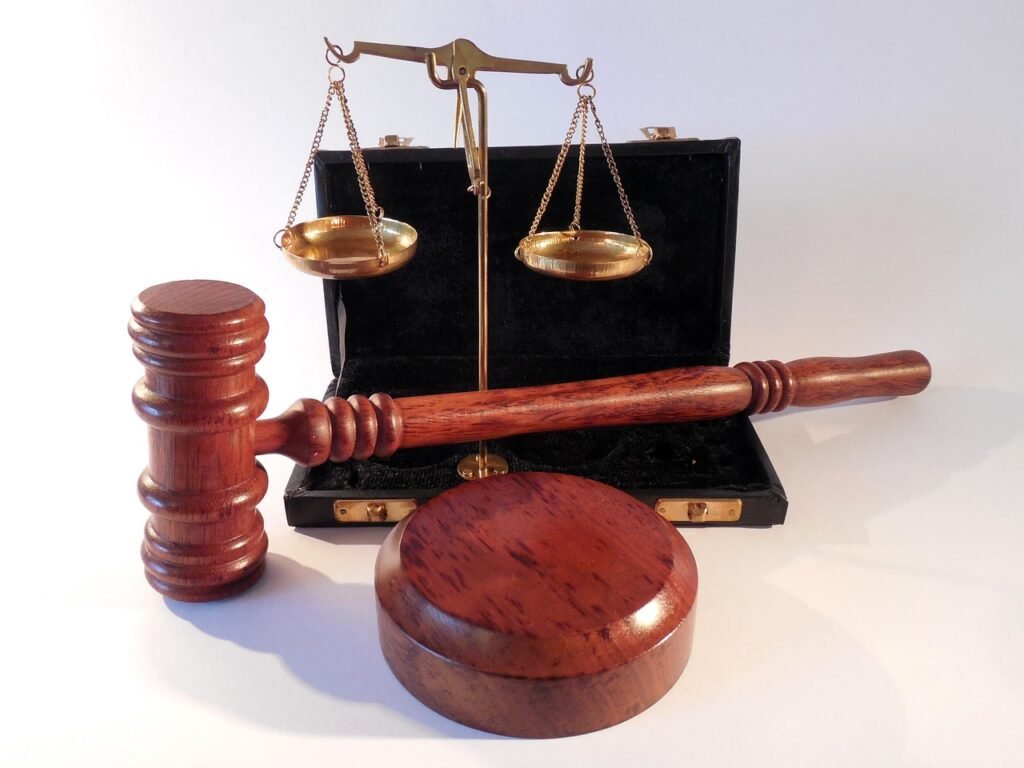
Navigating the digital landscape requires understanding the rules of the road, especially when it comes to intellectual property. Copying restrictions are the legal and ethical guardrails that protect creators and their work, ensuring a fair balance between access and ownership. Ignoring these restrictions can lead to serious legal consequences and damage your reputation. This blog post dives deep into the world of copying restrictions, explaining what they are, why they matter, and how to stay compliant.
Understanding Copyright and Copying Restrictions
What is Copyright?
Copyright is a legal right granted to the creator of original works of authorship, including literary, dramatic, musical, and certain other intellectual works. This right grants the copyright holder exclusive control over how their work is copied, distributed, adapted, displayed, and performed. The duration of copyright protection varies by country, but in many jurisdictions, it extends for the life of the author plus 70 years.
- Copyright is automatically granted upon creation. You don’t necessarily need to register your work to have copyright protection.
- Copyright protects the expression of an idea, not the idea itself.
- Copyright infringement can result in substantial financial penalties and legal action.
Types of Copying Restrictions
Copying restrictions manifest in various forms, broadly categorized as:
- Explicit Copyright Notices: These are the most obvious. Look for the © symbol, the copyright holder’s name, and the year of publication. These notices clearly indicate that the work is protected by copyright.
Example: © 2023 Example Company. All rights reserved.
- Terms of Service (ToS) and End User License Agreements (EULAs): These legal documents outline the permitted uses of software, websites, and other digital services. They often specify restrictions on copying, redistribution, and modification of content.
Example: Streaming services typically have ToS that prevent users from downloading and redistributing copyrighted movies and TV shows.
- Digital Rights Management (DRM): DRM technologies are designed to control access to and use of copyrighted materials. They can prevent unauthorized copying, sharing, or modification of digital content.
Example: DRM is often used to protect ebooks, music, and movies from piracy.
- Creative Commons Licenses: While not a restriction in the traditional sense, Creative Commons licenses grant specific permissions for the use of copyrighted works. Understanding the specific terms of each license is crucial.
Example: A work licensed under CC BY-NC-SA allows others to copy, distribute, and adapt the work, but requires attribution, prohibits commercial use, and mandates that any derivative works are licensed under the same terms.
- Implied Restrictions: Even without explicit notices or agreements, certain types of content may have implied copying restrictions based on the nature of the work or the circumstances of its creation.
Why Copying Restrictions Matter
Protecting Intellectual Property
Copying restrictions are fundamental to protecting intellectual property rights. They provide creators with the exclusive ability to profit from their work, encouraging innovation and creativity. Without these protections, creators would be less likely to invest the time and resources necessary to produce original content.
- Copying restrictions prevent unauthorized use and distribution of copyrighted material.
- They enable creators to control how their work is used and adapted.
- They ensure that creators receive fair compensation for their efforts.
Fostering Innovation and Creativity
Strong copyright protection fosters a thriving creative ecosystem. Creators are more likely to invest in developing new works when they know their rights will be protected. This leads to a greater diversity of content and benefits consumers in the long run.
- Copyright encourages creators to produce high-quality content.
- It provides a financial incentive for innovation and creativity.
- It supports a vibrant and diverse cultural landscape.
Legal and Ethical Considerations
Violating copying restrictions can have serious legal and ethical consequences. Copyright infringement can lead to lawsuits, financial penalties, and reputational damage. Moreover, it is unethical to profit from the work of others without their permission.
- Copyright infringement is a violation of federal law.
- Penalties for infringement can include fines, damages, and even criminal charges.
- Respecting copyright is essential for maintaining ethical business practices.
Common Misconceptions About Copying Restrictions
Fair Use vs. Copyright Infringement
Many people misunderstand the concept of fair use. Fair use allows for limited use of copyrighted material without permission for purposes such as criticism, commentary, news reporting, teaching, scholarship, and research. However, determining whether a particular use qualifies as fair use is complex and depends on several factors, including:
- The purpose and character of the use
- The nature of the copyrighted work
- The amount and substantiality of the portion used
- The effect of the use on the potential market for the copyrighted work
It’s important to carefully consider these factors before relying on fair use as a defense to copyright infringement.
Public Domain vs. Copyrighted Material
Works in the public domain are not protected by copyright and can be freely used without permission. However, it is essential to verify that a work is actually in the public domain before using it. Copyright status can be complex and vary depending on the country of origin and the date of creation.
- Works published before a certain date may be in the public domain.
- Works created by the U.S. government are generally in the public domain.
- Copyright protection can expire, placing works in the public domain.
Attribution and Permission
Giving credit to the original creator does not automatically grant you the right to use their work. Unless the work is licensed under a Creative Commons license or another form of open license, you must obtain permission from the copyright holder before using it.
- Attribution is important, but it is not a substitute for permission.
- Always seek explicit permission from the copyright holder before using their work.
- Keep records of any permissions you obtain.
Practical Tips for Avoiding Copyright Infringement
Obtain Permission
The safest way to avoid copyright infringement is to obtain permission from the copyright holder before using their work. This may involve contacting the copyright holder directly or obtaining a license through a licensing agency.
- Identify the copyright holder of the work you want to use.
- Contact the copyright holder and request permission to use their work.
- Obtain a written license agreement that specifies the terms of use.
Use Openly Licensed Content
There are many sources of openly licensed content available online. Creative Commons licenses provide a flexible way for creators to grant specific permissions for the use of their work.
- Search for content licensed under Creative Commons licenses.
- Carefully review the terms of the license before using the content.
- Provide proper attribution to the original creator.
Create Original Content
The best way to avoid copyright infringement is to create your own original content. This ensures that you are not using anyone else’s work without permission.
- Develop your own ideas and concepts.
- Create your own original works of authorship.
- Avoid copying or adapting the work of others without permission.
Use Copyright Checking Tools
Several online tools can help you identify potential copyright issues in your content. These tools can scan your text, images, and videos to detect instances of copyright infringement.
- Use plagiarism checkers to identify instances of copied text.
- Use image search tools to check the source of images.
- Use video analysis tools to detect copyrighted music or video clips.
Conclusion
Navigating the complexities of copying restrictions requires careful attention and a commitment to ethical behavior. By understanding the principles of copyright, avoiding common misconceptions, and following practical tips for compliance, you can protect yourself from legal risks and contribute to a thriving creative ecosystem. Remember, respecting copyright is not just a legal obligation, it’s a fundamental principle of fairness and ethical conduct. Taking the time to understand and adhere to copying restrictions ensures that you are using content responsibly and ethically, fostering a respectful and innovative digital environment.