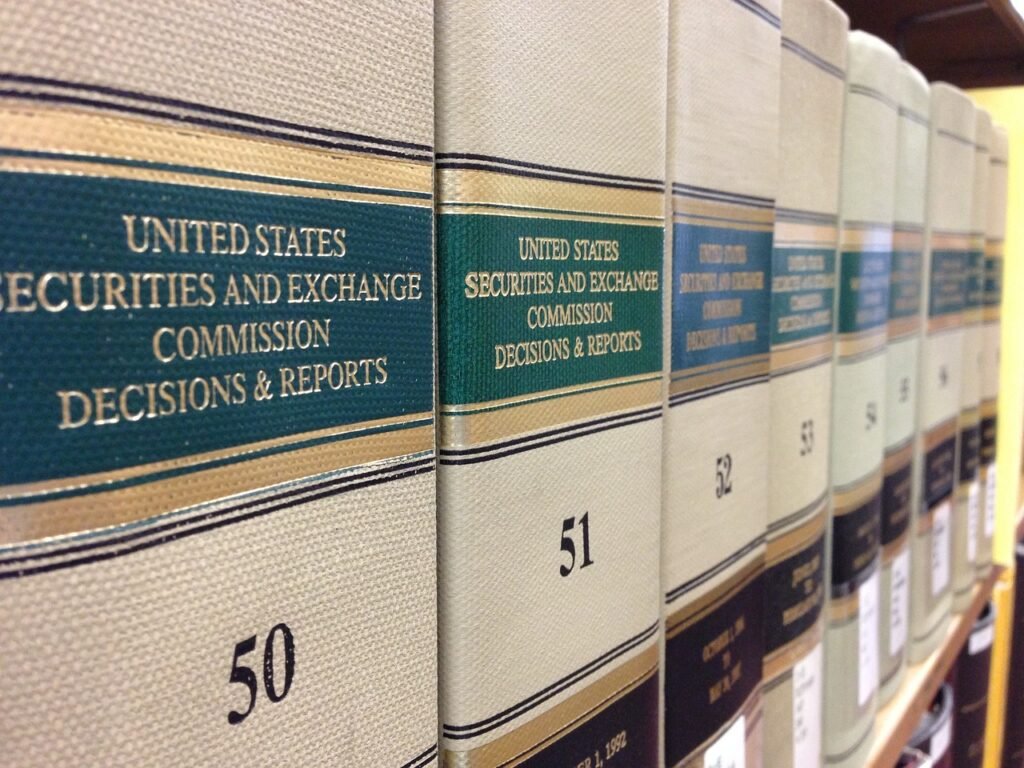
Protecting your valuable content in today’s digital age is paramount for maintaining brand reputation, safeguarding revenue streams, and ensuring intellectual property rights. From safeguarding online courses to preventing the unauthorized distribution of ebooks and proprietary research, content protection strategies are essential for individuals, businesses, and organizations alike. This blog post will delve into the multifaceted world of content protection, exploring various methods, technologies, and best practices to help you secure your digital assets.
Understanding the Importance of Content Protection
Defining Content Protection
Content protection encompasses a range of technologies and strategies designed to prevent unauthorized access, copying, redistribution, and manipulation of digital content. It goes beyond simple copyright notices and aims to actively deter and mitigate infringement.
Why Content Protection Matters
Ignoring content protection can lead to severe consequences, including:
- Loss of Revenue: Unauthorized copies can cannibalize legitimate sales.
- Brand Damage: Inferior quality copies can tarnish your brand reputation.
- Erosion of Intellectual Property: Uncontrolled distribution undermines your ownership rights.
- Competitive Disadvantage: Competitors may unfairly benefit from your hard work.
- Legal Ramifications: Failure to protect content could expose you to legal challenges.
Statistics and Real-World Impact
The global cost of digital piracy is estimated to be in the tens of billions of dollars annually. Studies have shown that businesses implementing robust content protection strategies experience significantly lower rates of infringement and a corresponding increase in revenue. The entertainment industry, online education platforms, and software developers are particularly vulnerable to content piracy and rely heavily on content protection measures.
Content Protection Methods and Technologies
Digital Rights Management (DRM)
DRM is a technology designed to control the usage, modification, and distribution of copyrighted works. It typically involves encryption, access controls, and licensing agreements.
- How DRM Works: DRM systems often encrypt content and require users to authenticate their license before accessing it. This prevents unauthorized copying and sharing.
- Examples of DRM Technologies: Common DRM systems include Widevine, FairPlay, and PlayReady. These are used by streaming services like Netflix and Spotify to protect their content.
- Limitations of DRM: DRM can sometimes inconvenience legitimate users and can be circumvented by determined pirates. However, it remains a vital layer of protection for valuable content.
Watermarking
Watermarking involves embedding unique identifiers into digital content to track its origin and deter unauthorized use.
- Types of Watermarks: Watermarks can be visible (displayed on the content) or invisible (embedded within the data). Invisible watermarks are more discreet and can be used to identify the source of leaks.
- Benefits of Watermarking: Watermarks help trace the distribution path of content, allowing you to identify and take action against infringers. They also serve as a visual deterrent to unauthorized copying.
- Example: News agencies often watermark their images with their logo and copyright information. Online course platforms might use invisible watermarks to identify students who are sharing course materials illegally.
Encryption
Encryption is the process of converting data into an unreadable format, making it inaccessible to unauthorized parties.
- Encryption for Content at Rest: Encrypting files stored on servers or personal devices prevents unauthorized access in case of a data breach.
- Encryption for Content in Transit: Using HTTPS and secure protocols ensures that data transmitted over the internet is protected from eavesdropping.
- Example: Encrypting video files before uploading them to a hosting platform adds an extra layer of security. Implementing SSL/TLS certificates on your website ensures that communication between your server and users’ browsers is encrypted.
Geoblocking
Geoblocking restricts access to content based on the user’s geographic location.
- How Geoblocking Works: Geoblocking systems identify the user’s location based on their IP address and deny access if they are outside the permitted region.
- Use Cases: Streaming services often use geoblocking to comply with licensing agreements that restrict content distribution to specific countries.
- Limitations: Users can bypass geoblocking using VPNs, but it can still deter casual infringement.
Best Practices for Content Protection
Conduct a Content Audit
Before implementing any content protection measures, it’s crucial to understand what content needs protection.
- Identify Valuable Assets: Catalog all your digital assets, including ebooks, videos, audio files, software, and proprietary documents.
- Assess Risk Levels: Determine the potential impact of unauthorized access or distribution for each asset. Prioritize protection efforts based on risk level.
Implement a Multi-Layered Approach
Relying on a single content protection method is often insufficient. A multi-layered approach provides a more robust defense.
- Combine DRM, Watermarking, and Encryption: Use DRM to control access and usage, watermarking to track distribution, and encryption to protect content at rest and in transit.
- Monitor for Infringement: Regularly scan the internet for unauthorized copies of your content. Use tools like Google Alerts, Copyscape, and specialized piracy monitoring services.
Educate Users and Implement Usage Policies
Clear communication about usage rights and restrictions can help prevent unintentional infringement.
- Clearly State Copyright Notices: Include clear copyright notices on all your content, outlining permissible uses and restrictions.
- Develop User Agreements: Require users to agree to terms of service that prohibit unauthorized copying, redistribution, or modification of your content.
- Educate Employees and Customers: Conduct training sessions to educate employees and customers about your content protection policies and the importance of respecting intellectual property rights.
Regularly Review and Update Security Measures
Content protection is an ongoing process, not a one-time fix.
- Stay Informed About Emerging Threats: Keep up-to-date with the latest piracy techniques and vulnerabilities.
- Update Software and Security Systems: Regularly update your software and security systems to patch vulnerabilities and stay ahead of attackers.
- Adapt Your Strategy: Be prepared to adapt your content protection strategy as new threats emerge and technologies evolve.
Legal Aspects of Content Protection
Copyright Law
Copyright law provides legal protection for original works of authorship.
- Understanding Copyright: Copyright grants creators exclusive rights to reproduce, distribute, display, and create derivative works based on their original creations.
- Copyright Registration: Registering your copyright with the relevant authorities (e.g., the U.S. Copyright Office) strengthens your legal rights and makes it easier to pursue legal action against infringers.
DMCA Takedown Notices
The Digital Millennium Copyright Act (DMCA) provides a legal framework for addressing online copyright infringement.
- Sending Takedown Notices: If you discover unauthorized copies of your content online, you can send a DMCA takedown notice to the website or hosting provider requesting that the infringing material be removed.
- Responding to Counter-Notices: If a website or hosting provider receives a counter-notice from the alleged infringer, you may need to file a lawsuit to prevent the content from being restored.
Legal Recourse for Infringement
In cases of serious or repeated infringement, you may need to pursue legal action.
- Cease and Desist Letters: Send a cease and desist letter to the infringer demanding that they stop infringing your copyright and take steps to prevent further infringement.
- Copyright Infringement Lawsuits: If the infringer fails to comply with the cease and desist letter, you can file a lawsuit seeking damages and injunctive relief.
Conclusion
Content protection is a vital aspect of managing and safeguarding your digital assets. By understanding the importance of content protection, implementing appropriate technologies and best practices, and staying informed about legal remedies, you can significantly reduce the risk of unauthorized access, copying, and distribution. A proactive and multi-layered approach to content protection is essential for maintaining brand reputation, protecting revenue streams, and ensuring the long-term success of your business. Remember that content protection is an ongoing effort that requires continuous monitoring, adaptation, and investment.